
Pricing
Dynamic vs Fixed Pricing for Adelaide Airbnb Hosts
A six-month back-test across 18 Adelaide short-stay properties comparing dynamic and fixed nightly pricing — with the numbers, the caveats, and the cases where fixed still wins.
7 min read
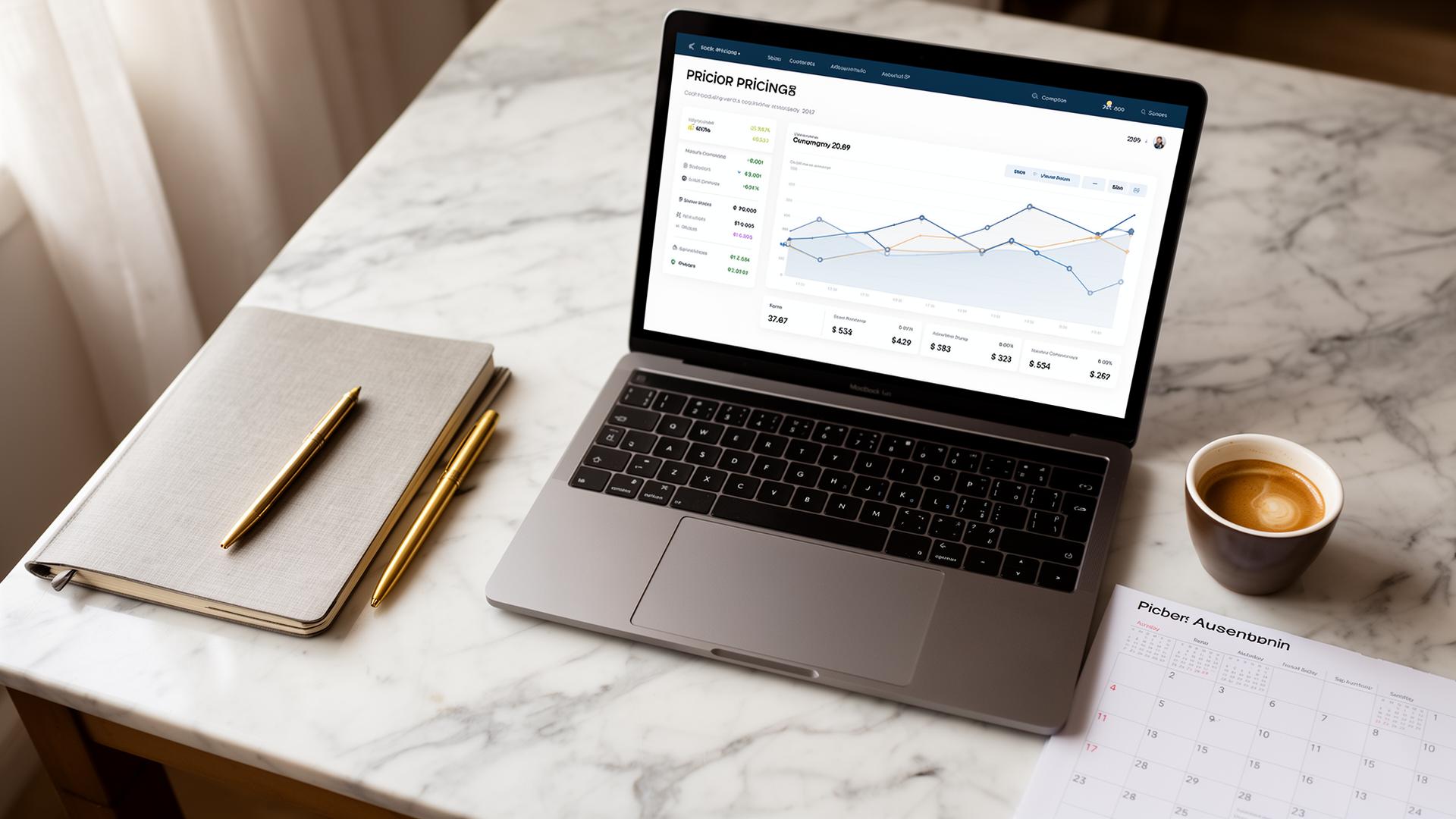
Almost every Adelaide host eventually faces the same question: should I set a weekday and weekend rate and leave it, or should I use dynamic pricing software that updates rates daily? We ran the comparison properly — six months, 18 properties, half on dynamic and half on a thoughtfully-set fixed schedule, then swapped halfway to remove property-level bias.
The numbers
Six-month back-test results
Average gross revenue lift
+18.4%
Occupancy change
+2.1 pts
Average daily rate change
+15.9%
Properties that did better on fixed
2 of 18
When fixed pricing still wins
The two outperforming fixed-price properties were both long-stay-oriented furnished rentals in tightly held suburbs (one in Norwood, one in North Adelaide) where 28+ night bookings dominated. Dynamic pricing's strength is capturing nightly demand swings — if your property already books long stays at strong rates, the swings don't matter.
For everyone else — CBD apartments, suburban houses serving weekend leisure travel, anything exposed to Adelaide's event calendar — dynamic pricing won decisively. The biggest single lift came from Adelaide 500 weekend, where the dynamic group cleared an average $214 more per night than the fixed group.
Caveats
What we did not test
Dynamic pricing tools differ — we used PriceLabs. We did not test set-and-forget dynamic pricing; every property had a human reviewing rate recommendations weekly and overriding for known local events the tools missed. Pure automation under-performs both fixed and human-supervised dynamic.
Pricing handled, locally
Luxe Managements runs human-supervised dynamic pricing across every property, tuned weekly against the Adelaide event calendar. No software subscription. No separate fee.